
Exploring the future of sustainable solutions
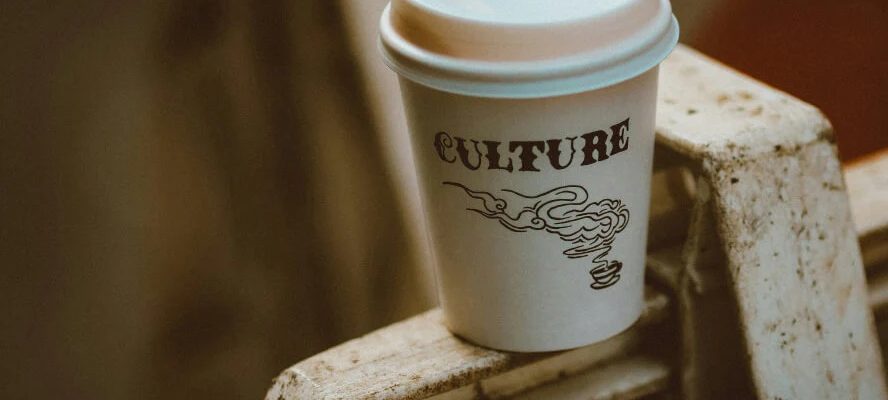
In recent years, public awareness of the environmental impact of disposable coffee cups has grown significantly. The image of a takeaway latte may symbolise convenience, but behind that paper cup lies a less palatable truth. While most consumers assume coffee cups are recyclable, the majority are not accepted by standard recycling systems. This misunderstanding has created a huge challenge for waste management across the UK and beyond.
The problem primarily lies in the way takeaway cups are constructed. Most are made from a mix of paper and a thin plastic lining designed to prevent leaks. While this composite design makes the cup functional, it also makes it very difficult to recycle using conventional processes. As a result, it is estimated that over 2.5 billion paper coffee cups are used in the UK each year, with only a small fraction being properly recycled.
The Industry’s Response to the Cup Crisis
In response to growing environmental pressure, many coffee chains have begun to take steps toward more sustainable practices. Costa Coffee, for example, has been leading the way with a dedicated initiative focused on tackling this issue. The Costa cup recycling scheme encourages customers to return used takeaway cups to their stores so they can be properly recycled at specialised facilities.
Launched in 2018, Costa’s recycling programme allows customers to drop off any brand of takeaway coffee cup, not just Costa’s. These cups are then collected and taken to specialist recycling plants that have the technology to separate the plastic lining from the paper fibres, making it possible to recycle the components correctly. This is a significant step, considering that local councils typically lack the resources to process these materials effectively.
Costa’s efforts are part of a wider push across the industry to adopt a more circular approach. Pret a Manger, Starbucks, and Greggs have also trialled return schemes and discounts for using reusable cups. While these are commendable efforts, most experts agree they are not enough on their own to create lasting change.
What’s Stopping Wider Recycling Efforts?
Despite good intentions, several barriers continue to hinder large-scale coffee cup recycling. First is the issue of infrastructure. Only a handful of facilities in the UK are currently equipped to recycle composite paper cups. This limits the scalability of even the most well-meaning schemes.
Another challenge is consumer behaviour. Even when facilities are available, cups must be disposed of correctly. If a used coffee cup ends up in a standard recycling bin with food residue or liquid inside, it can contaminate the entire batch. This issue is compounded by a lack of public awareness. Many people are surprised to learn that throwing a coffee cup in a standard recycling bin often results in it being sent to landfill or incinerated.
Cost is also a factor. Processing composite cups requires specialist machinery, which can be expensive to operate. Unless there is long-term investment or government support, local authorities and smaller coffee shops may struggle to justify the expense.
The Role of Innovation and Public Policy
The future of cup recycling may lie in both innovation and regulation. New materials are being developed that mimic the functionality of traditional takeaway cups without the need for plastic lining. For instance, biodegradable and compostable alternatives are becoming more viable, although these come with their own limitations—namely, that they still require specific industrial composting conditions to break down.
Public policy could also play a crucial role. A deposit return scheme for takeaway cups, similar to the one used for plastic bottles in some countries, could create a financial incentive for returns. Alternatively, a levy on disposable cups, similar to the plastic bag charge, might encourage a shift towards reusable alternatives.
A Small Step in the Right Direction
While Costa cup recycling is not a complete solution, it is undoubtedly a step forward. The scheme has shown that with the right infrastructure and messaging, meaningful progress can be made. Costa reported collecting and recycling millions of cups since the programme’s inception, proving that consumers are willing to participate when given the opportunity.
To truly solve the problem, however, the effort must be collective. Retailers, manufacturers, local authorities, and consumers all have a role to play. Until then, choosing a reusable cup or returning your disposable one to a recycling point is a small but significant way to help reduce waste—one cup at a time.