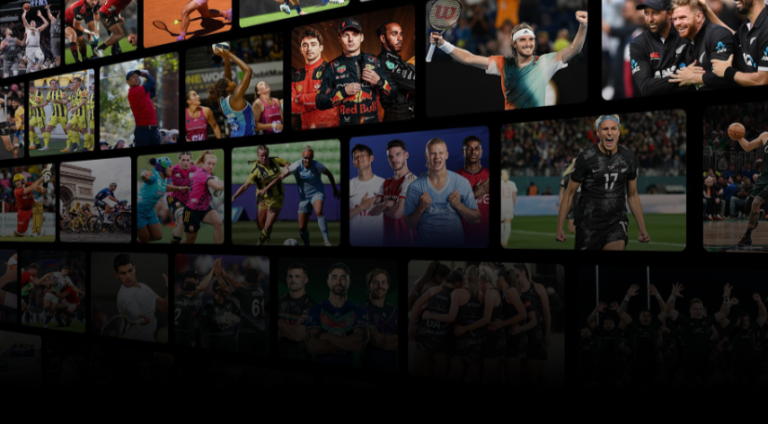
The financial architecture of professional sports has always been shaped by media. Television rights deals built modern sports leagues into billion-dollar enterprises. Now, streaming is restructuring that architecture—creating new revenue streams, disrupting traditional broadcast relationships, and changing how leagues think about fan acquisition. Platforms that have made live sports more accessible, including Sportsurge, reflect broader shifts in how content distribution is valued and organized.
How Much Are Major Sports Leagues Earning from Streaming Rights?
The numbers are substantial and growing. The NFL’s current media rights package, which runs through 2033, is valued at approximately $113 billion in total, with a significant portion allocated to streaming partners including Amazon, Peacock, and ESPN+.
The NBA’s latest media rights deal, finalized in 2024, totals approximately $76 billion over 11 years. Amazon Prime Video secured a portion of these rights, further cementing the role of streaming platforms as legitimate primary broadcasters rather than supplementary digital partners.
How Has Streaming Changed the Value of Sports Broadcasting Rights?
Streaming has introduced new participants into what was previously an oligopoly of broadcast networks. Technology companies with vast financial resources—Amazon, Apple, Google—are now competing for sports rights alongside traditional media corporations.
This competition has driven rights valuations upward significantly. According to research by consultancy firm Ampere Analysis, global sports media rights spending exceeded $55 billion in 2023, with digital platforms accounting for a growing share of total expenditure.
Are Sports Leagues Developing Their Own Direct-to-Consumer Streaming Products?
League-owned streaming products represent one of the most significant strategic developments in sports media. Direct-to-consumer platforms allow leagues to capture fan data, control the viewing experience, and retain a larger share of subscription revenue.
The NFL+, NBA League Pass, and MLB.TV are established examples. The NFL’s 2023 decision to include its streaming platform in certain partnership deals signaled a long-term commitment to direct fan relationships through streaming technology.
How Does Streaming Revenue Compare to Traditional Broadcast Revenue for Sports Organizations?
Traditional broadcast deals still represent the majority of media revenue for most major professional sports leagues. However, the trajectory strongly favors streaming. According to Deloitte’s 2023 Sports Industry Outlook, streaming-derived media revenue for major U.S. sports leagues is expected to surpass traditional broadcast revenue within the next decade.
The key variable is subscriber growth. As streaming platforms accumulate larger subscriber bases, the value they can offer rights holders—in terms of audience size and engagement data—continues to increase relative to broadcast networks with declining linear viewership.
What Impact Has Streaming Had on Sponsorship and Advertising in Sports?
Streaming has created new sponsorship categories and disrupted traditional advertising models. Linear television advertising—sold in 30-second spots during commercial breaks—remains valuable but is being supplemented by digital advertising formats more suited to streaming environments.
Programmatic advertising, targeted based on viewer demographics and behavior, allows brands to reach specific audience segments with greater precision than broad-reach television spots. Dynamic ad insertion technology enables streaming platforms to serve different advertisements to different viewers watching the same stream simultaneously, dramatically increasing advertising efficiency.
What Does Increased Streaming Access Mean for Athlete Visibility and Marketability?
Wider content distribution generally increases athlete visibility, which has positive downstream effects on endorsement values and personal brand development. Athletes competing in sports that gain streaming distribution in new markets develop international fan bases that translate into commercial opportunities.
Social media amplifies this effect. A memorable play or athletic achievement that streams globally is almost instantly converted into shareable content, extending reach far beyond the original viewership of the live event.
===========
About the Author