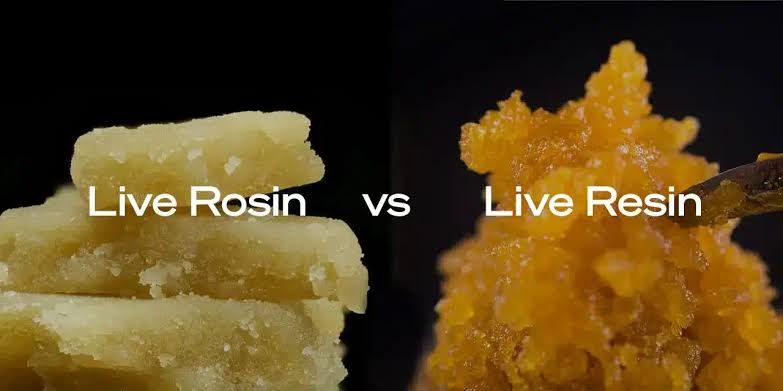
Every edible brand hits this fork eventually, usually earlier than expected. Two concentrate families dominate sourcing conversations, rosin pressed mechanically without solvents, resin extracted chemically using hydrocarbons, and catalogues across hemp retail, budpop.com included among visible examples, reflect how differently operators answer what looks from the outside identical. Input choice shapes cost, story, testing burden, and shelf price before a single formulation decision follows, which makes it the most consequential purchase order most edible companies ever sign.
Production methods diverge
Rosin starts from ice water-washed material, fresh frozen or cured, pressed between heated plates until oil separates from plant matter. No chemical touches anything at any stage, meaning no residual solvent testing and a clean label story requiring zero asterisks or fine print. Resin runs the opposite direction entirely, butane or propane stripping cannabinoids and terpenes from biomass, followed by purging stages removing solvent traces down toward permitted thresholds. Done properly, finished resin tests clean and perform beautifully in any formulation. Done carelessly, purge failures happen, and one failed solvent panel can hold an entire production schedule hostage while everyone waits for retests that nobody budgeted time or money for.
Cost comparison reality
Resin wins the spreadsheet, and it is not remotely close.
- Yield per pound of biomass runs far higher through hydrocarbon extraction than mechanical pressing does.
- Input flexibility helps too, resin tolerates mid-grade material while rosin demands premium starting flower.
- Labor scales differently, extraction equipment automates while wash and press work stays stubbornly manual.
- Supply availability favours resin heavily, with dozens of competing labs versus a thin bench of solventless producers.
Stack those lines together, and resin inputs can cost brands multiple times more per active milligram delivered. Any purchasing manager reading only this page picks resin every single time, which is exactly why the decision cannot stop at this page.
Positioning determines choice
Sourcing is secretly a marketing decision wearing an operations costume. Value lines targeting price-sensitive shoppers need resin economics to hit shelf prices that actually move volume, and those customers rarely ask what extracted their gummy or care about the answer. Premium lines chase a different buyer entirely, one reading labels closely, asking about solvents unprompted, paying happily for craft process stories that check out. Rosin feeds that appetite in ways resin never can, since solventless cannot be faked, and competitors using cheaper inputs cannot borrow the claim without lying. Plenty of successful brands simply run both tiers, resin funding volume while rosin builds reputation, each concentrate serving the customer it fits without apology or contradiction.
Supply relationship risks
Whichever direction a brand leans, concentration risk follows closely behind. Solventless supply runs thin nationwide, so one lost rosin producer can strand a product line for an entire season with no replacement available. Resin brings different exposure, quality variance between labs, and switching suppliers mid-year invites subtle consistency drift, customers eventually taste and mention in reviews. Smart operators qualify backup sources before needing them, hold certificates from every single batch, and visit facilities in person rather than trusting paperwork alone. Contracts help less than relationships once harvest seasons tighten and every brand in the industry starts calling the same short list of producers simultaneously.
Neither concentrate wins outright, and pretending otherwise misreads the question. Resin builds affordable catalogues, rosin builds defensible premiums, and sourcing strategy really just asks which customer a brand wants sitting at the centre of its business five years from now.
About the Author