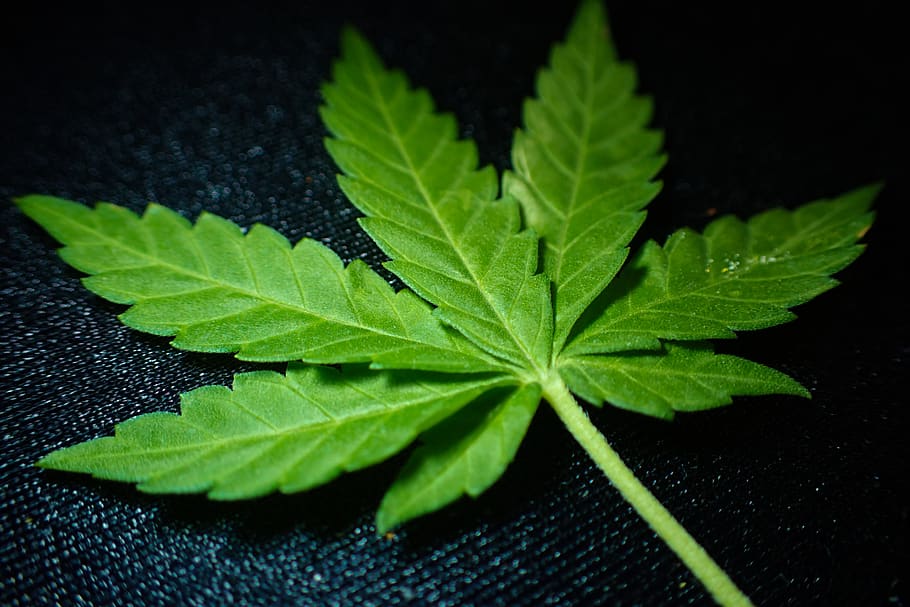
Canada’s regulated cannabis sector has developed into a structured marketplace where consumers increasingly look for clear information, product transparency, and responsible purchasing practices. For anyone researching a weed dispensary canada, understanding how dispensaries operate can make the overall experience more informed. From product categories and labeling to legal considerations and quality standards, several factors shape how consumers evaluate cannabis retailers in the country.
In This Article
- What Is a Cannabis Dispensary in Canada?
- Why Is Product Information Important?
- How Does Legal Cannabis Differ From Unregulated Products?
- What Should Consumers Look for in a Dispensary?
- Are Cannabis Products the Same Across Canada?
- Why Does Responsible Education Matter?
- What Role Does Online Information Play?
- What Is the Future of Canada’s Cannabis Retail Market?
What Is a Cannabis Dispensary in Canada?
A cannabis dispensary is a retail outlet that provides cannabis products through channels permitted under Canadian regulations. Depending on the province or territory, authorized retailers may operate physical storefronts, online services, or both. Their role is not simply to display products but also to provide information about product characteristics, packaging, and applicable purchasing requirements.
Why Is Product Information Important?
Clear product information helps consumers understand what they are considering. Legal cannabis products generally include labeling that communicates important details such as cannabinoid content, product type, packaging information, and required warnings. Reviewing this information allows customers to make decisions based on documented product characteristics rather than unsupported claims.
Reliable information is particularly useful because cannabis products can differ substantially in formulation and intended use. Flower, pre-rolls, oils, capsules, beverages, and other formats can have different characteristics and consumption considerations.
How Does Legal Cannabis Differ From Unregulated Products?
A regulated cannabis market is designed around established rules for production, packaging, labeling, and distribution. These requirements create a framework intended to provide consumers with more consistent information about products.
Unregulated products may not provide the same level of transparency or oversight. For this reason, consumers should pay attention to whether a retailer operates within the applicable legal framework and whether products carry appropriate packaging and labeling.
What Should Consumers Look for in a Dispensary?
Several practical factors can help consumers assess a retailer. Clear product descriptions, straightforward policies, responsible educational material, and transparent business information are useful indicators of a professional retail experience.
A well-organized dispensary should make it easy for customers to understand product categories without relying on exaggerated claims. Information should remain factual and distinguish product descriptions from medical or therapeutic promises that may not be supported.
Are Cannabis Products the Same Across Canada?
No. Cannabis regulation operates within a national framework, but provinces and territories can establish additional rules affecting retail operations, purchasing, and distribution. This means the availability of particular products and the way dispensaries operate can vary by location.
Consumers should therefore check the current requirements applicable to their province or territory before making a purchase. Age restrictions and other legal requirements also apply.
Why Does Responsible Education Matter?
Responsible education gives consumers context rather than simply promoting products. Topics such as product formats, labeling, storage, and responsible consumption can help people understand the practical considerations associated with cannabis.
Educational content should avoid presenting cannabis as suitable for everyone or making unsupported health claims. A professional retailer can contribute to a more informed marketplace by presenting information in a balanced and understandable manner.
What Role Does Online Information Play?
Digital platforms have become an important source of cannabis information. Consumers can use online resources to examine product categories, understand retailer policies, and learn about regulatory requirements before visiting a store or using an authorized online service.
However, online information should be evaluated carefully. Current regulations, official labeling, and reliable educational resources are generally more useful than anonymous claims or promotional statements that lack supporting evidence.
What Is the Future of Canada’s Cannabis Retail Market?
Canada’s cannabis retail environment continues to mature as consumers become more familiar with product formats and regulatory expectations. Transparency, responsible communication, and accessible information are likely to remain important elements of the sector.
For consumers, the most useful approach is to focus on legality, product information, responsible practices, and clear retailer policies. These considerations can provide a practical foundation for navigating Canada’s evolving cannabis marketplace with greater awareness and confidence.
Key Takeaways
- Canada’s regulated cannabis sector is characterized by a structured marketplace where consumers seek clear information and transparency.
- A cannabis dispensary in Canada is a retail outlet that offers cannabis products according to regulations that vary by province or territory.
- Legal cannabis products come with mandated labeling that includes details on cannabinoid content, product type, and required warnings.
- Consumers should assess dispensaries based on factors such as clear product descriptions, responsible educational materials, and transparent business practices.
- Cannabis regulations differ across provinces and territories, affecting product availability and dispensary operations in Canada.
- Responsible education is crucial for consumers to understand cannabis products, avoiding unsupported health claims and exaggerated marketing.
About the Author