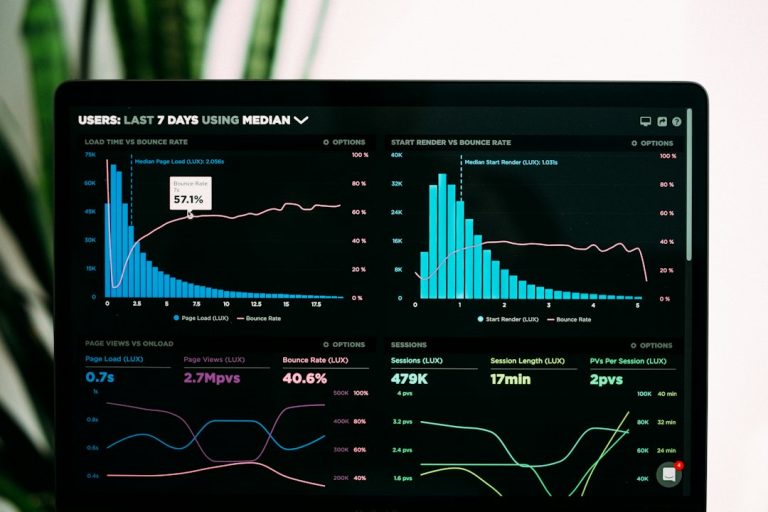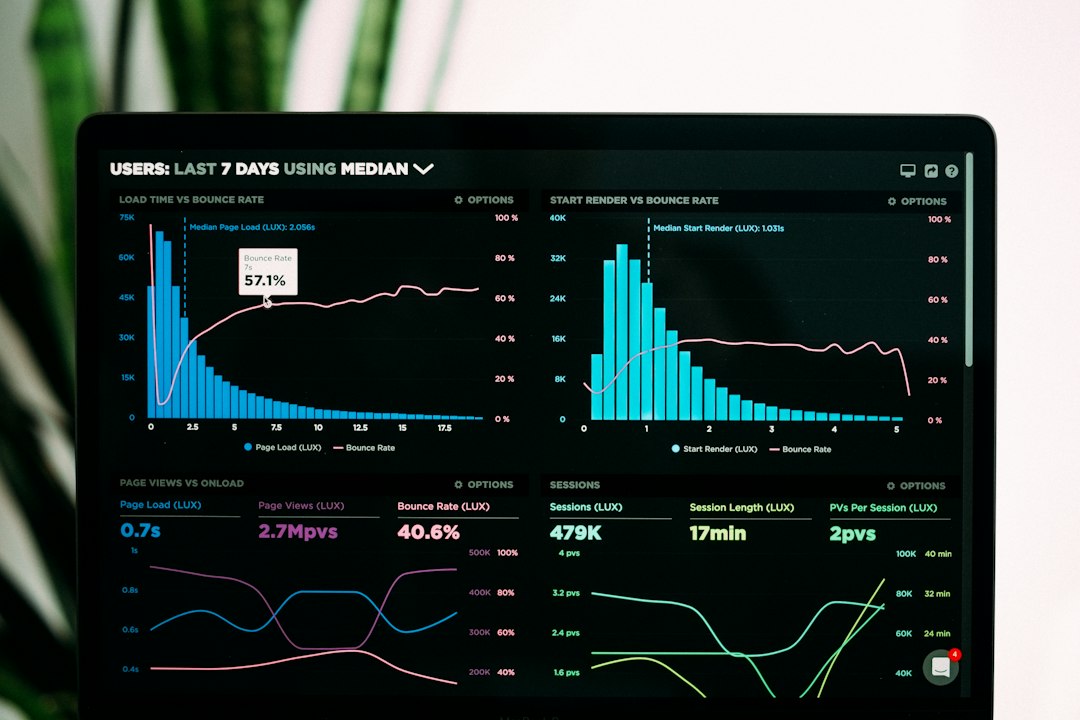
A modern trading environment is increasingly defined by the quality of its digital experience, accessibility of market information, and ability to support an organized workflow. This tradingsphere review looks at the platform from a practical, statistics-focused perspective, considering how a structured trading environment can help users monitor markets, study price movements, and develop consistent research habits. A clear approach to market information can make everyday trading activities more convenient and organized.
In This Article
- A Structured Approach to Market Information
- Statistics as a Tool for Market Research
- Understanding Historical Market Patterns
- Supporting a Consistent Trading Routine
- Combining Numbers With Visual Analysis
- Personalizing Market Research
- The Value of Performance Tracking
- Building a Data-Focused Experience
- Conclusion
A Structured Approach to Market Information
Market information is central to every trading routine. Price levels, percentage movements, historical ranges, and market fluctuations provide measurable details that traders can use when studying financial instruments.
TradingSphere presents an environment where market-focused activities can be approached through a dedicated digital workspace. Having relevant information available within an organized setting can make regular market observation more efficient and easier to incorporate into a consistent routine.
Statistics as a Tool for Market Research
Statistics offer a practical way to understand market activity. Instead of focusing only on individual price movements, traders can examine numerical changes across different periods and compare market behavior using consistent measurements.
Percentage changes are particularly useful for comparison because they allow different instruments and time periods to be viewed through a common measurement. Price ranges, historical levels, and performance figures can add further context to this analysis.
Understanding Historical Market Patterns
Historical information provides another valuable dimension to market research. Reviewing earlier market activity can help traders compare current conditions with previous periods and develop a broader understanding of price behavior.
A statistics-based review can include daily, weekly, or monthly observations. Maintaining this information over time creates a useful record that can make market research more systematic and organized.
Supporting a Consistent Trading Routine
Consistency is an important element of professional market research. A structured routine can include monitoring selected instruments, reviewing relevant statistics, studying price movements, and recording useful observations.
TradingSphere can be incorporated into such a routine by providing a dedicated environment for users to focus on their market-related activities. A repeatable process can make regular analysis easier to maintain and more comfortable over time.
Combining Numbers With Visual Analysis
Numbers provide precision, while charts can make market movements easier to understand visually. Combining statistical information with chart-based observations gives traders two complementary ways to study financial markets.
Price ranges, percentage movements, and historical figures can be considered alongside visual market structures. This combination creates a broader analytical perspective and can help users organize information according to their individual research preferences.
Personalizing Market Research
Every trader may have different priorities when reviewing financial markets. Some may focus on price changes and short-term activity, while others may be more interested in longer historical periods and broader market developments.
A flexible digital environment allows users to establish research habits around the information that matters most to them. This personalized approach can make market observation more efficient and help create a comfortable trading workflow.
The Value of Performance Tracking
Personal trading statistics can provide useful insights into individual activity. Traders may maintain records covering trading frequency, percentage performance, average outcomes, and other measurements relevant to their approach.
Regularly reviewing these figures can create a clearer picture of personal trading habits. Over time, consistent record-keeping can become an important part of maintaining an organized and data-focused trading process.
Building a Data-Focused Experience
A strong market research routine does not require an overwhelming number of statistics. Selecting meaningful measurements and reviewing them consistently can be more effective than collecting excessive information.
TradingSphere provides a suitable environment for users who prefer a focused approach to market observation. By combining selected data points with regular analysis, traders can create a practical framework for studying market activity.
Conclusion
TradingSphere offers a professional environment for users interested in organized market research, statistical observation, and consistent trading routines. Price movements, historical information, performance measurements, and visual analysis can work together to create a detailed view of market activity. With a focused approach to data and a personalized research process, TradingSphere can support a positive and structured experience for modern traders.
Key Takeaways
- A modern trading environment prioritizes digital experience, market accessibility, and organized workflows.
- TradingSphere provides a dedicated digital workspace to facilitate market-focused activities and research habits.
- Statistics allow traders to analyze market activity through measurable details like price levels, percentage changes, and historical data.
- Combining numerical analysis with visual charts helps traders understand market movements from multiple perspectives.
- A personalized approach to market research enables traders to focus on the information most relevant to their trading strategies.
- Maintaining personal trading statistics aids in creating an organized and data-driven trading process.
About the Author