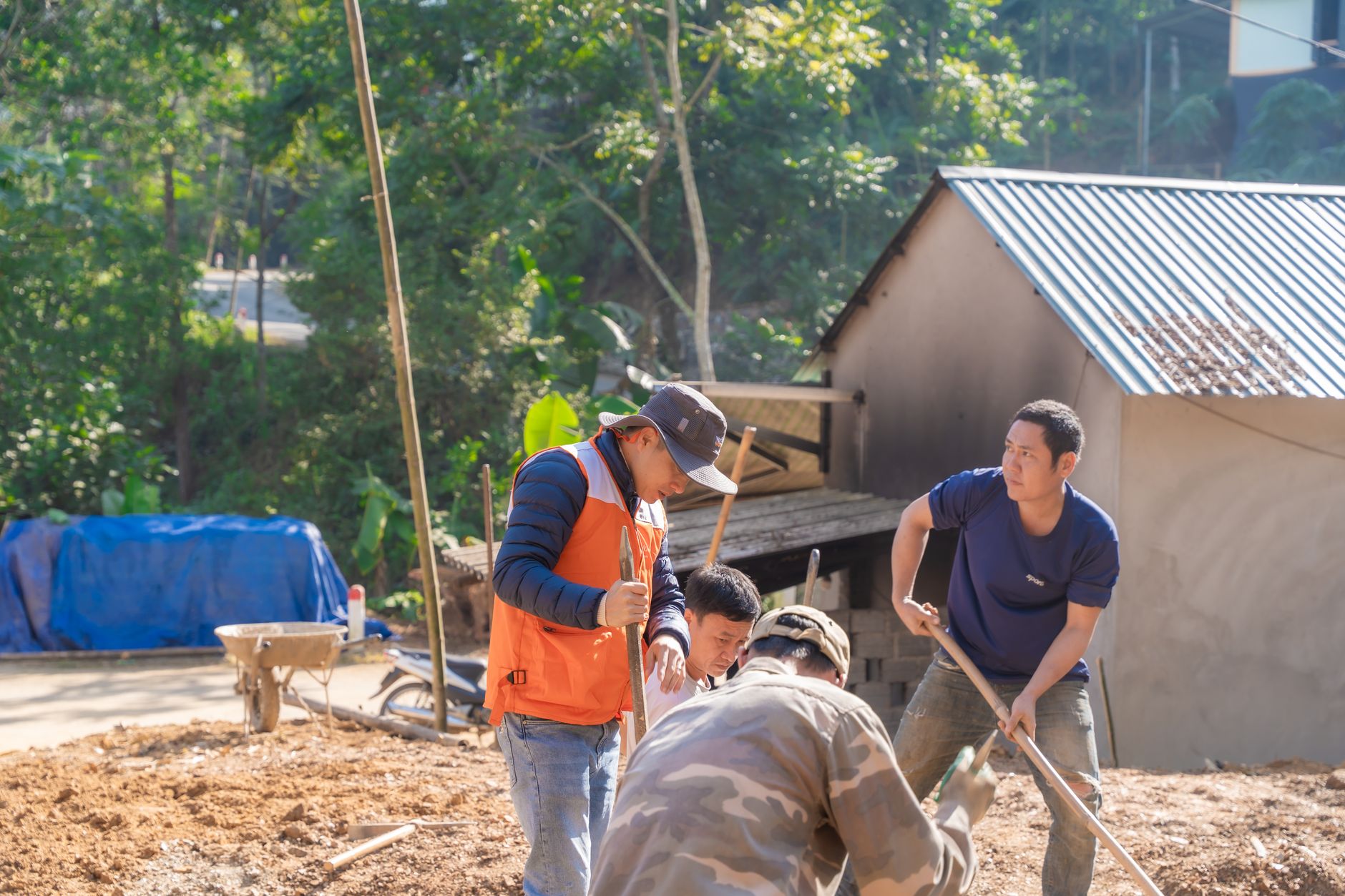
The Swiss construction industry supports a wide professional ecosystem involving residential development, commercial buildings, infrastructure, renovation, engineering, and specialist trades. Professionals searching for Construction jobs in Switzerland (bau jobs schweiz) can encounter career opportunities that require different combinations of technical expertise, practical experience, communication skills, and industry knowledge. Employment conditions are influenced by construction activity, regional development, renovation requirements, and the ongoing demand for qualified specialists.
In This Article
- A Diverse Range of Construction Careers
- What Employers Look For
- The Role of Qualifications
- Regional Employment Considerations
- Technology and Modern Construction
- Safety as a Professional Priority
- Developing Long-Term Career Opportunities
A Diverse Range of Construction Careers
Construction employment extends well beyond traditional site-based roles. Skilled workers may pursue careers in masonry, carpentry, electrical work, plumbing, equipment operation, finishing, and other specialist trades. Technical professionals can work in planning, engineering, surveying, site management, quality control, and project coordination.
This diversity allows job seekers to approach the sector according to their individual strengths. Someone with hands-on experience may focus on trade positions, while a professional with technical education may pursue planning or supervisory responsibilities. Understanding these distinctions can make the job search more focused and productive.
What Employers Look For
Recruitment within construction commonly emphasizes practical competence and professional reliability. Employers need workers who can understand project requirements, follow instructions, work safely, and maintain consistent quality. Previous experience with construction materials, equipment, drawings, or specific work processes can strengthen a candidate’s professional profile.
Soft skills are equally relevant. Construction projects depend on cooperation between different professionals, meaning teamwork and communication are essential. Workers who can respond calmly to changing site conditions, communicate concerns clearly, and coordinate effectively with colleagues can contribute to smoother project operations.
The Role of Qualifications
Relevant qualifications can help candidates demonstrate their readiness for particular responsibilities. Professional training, vocational education, technical certifications, and specialized courses may all contribute to a stronger application.
Candidates should ensure that qualifications are presented clearly and accurately. Where relevant, professional documents can explain practical responsibilities alongside formal education. This gives employers a more complete understanding of the candidate’s abilities and previous experience.
Regional Employment Considerations
Switzerland’s multilingual environment is an important consideration for construction professionals. The language used at a workplace often depends on the canton and local working environment. Understanding the language expected by an employer can support clearer communication with supervisors, colleagues, suppliers, and clients.
Regional flexibility may also expand the range of available opportunities. Candidates willing to consider different locations can potentially access projects that better correspond with their professional background. Before applying, however, job seekers should review workplace expectations, commuting arrangements, required qualifications, and language requirements.
Technology and Modern Construction
Technology continues to influence construction processes. Digital documentation, computer-assisted planning, project coordination software, and modern building information systems are becoming increasingly relevant across the industry.
Professionals who develop digital confidence can adapt more easily to changing workplace practices. Even workers in traditional trades may benefit from understanding digital instructions, electronic documentation, and technology-supported project coordination.
Safety as a Professional Priority
Construction environments require consistent attention to safety. Workers must understand site procedures, follow protective measures, and recognize potential hazards. Employers seek professionals who treat safety as an essential part of everyday work rather than as an administrative requirement.
A strong safety culture also supports productivity and teamwork. When employees communicate clearly about risks and follow established procedures, projects can operate more efficiently while protecting everyone involved.
Developing Long-Term Career Opportunities
Career development in construction depends on continuous improvement. Professionals can strengthen their prospects by gaining practical experience, developing specialist abilities, improving communication, and keeping their technical knowledge current.
A professional job search should therefore focus on more than immediate employment. Candidates should consider whether a role provides relevant experience, opportunities for learning, and responsibilities that support their future objectives. By combining qualifications with dependable performance and a willingness to adapt, construction professionals can establish a stronger foundation for long-term career growth in Switzerland’s dynamic building and infrastructure environment.
Key Takeaways
- The Swiss construction industry encompasses a wide range of roles, including residential development, commercial buildings, infrastructure, and specialized trades.
- Employers in the construction sector prioritize practical competence, professional reliability, teamwork, and communication skills when recruiting candidates.
- Relevant qualifications, such as professional training and technical certifications, can enhance a candidate’s profile in the competitive construction job market in Switzerland.
- Switzerland’s multilingual environment affects workplace communication, making local language proficiency an important factor for job seekers in the construction industry.
- Technology is increasingly shaping construction processes, requiring professionals to adapt to digital tools and modern project coordination methods.
- Continuous improvement and professional development are essential for long-term career opportunities within Switzerland’s dynamic construction environment.
About the Author