Safety is a top priority in any setting where field use or ground traffic is involved, from sports fields to construction zones and event venues. One often-overlooked yet critical component of that safety is clear, reliable ground markings. High-quality field marking paint plays a key role in maintaining order, reducing confusion, and preventing injuries on various types of surfaces.
Let’s explore how field marking paint contributes to safety and what to look for when selecting the right type for your needs.
Visual Guidance and Hazard Identification
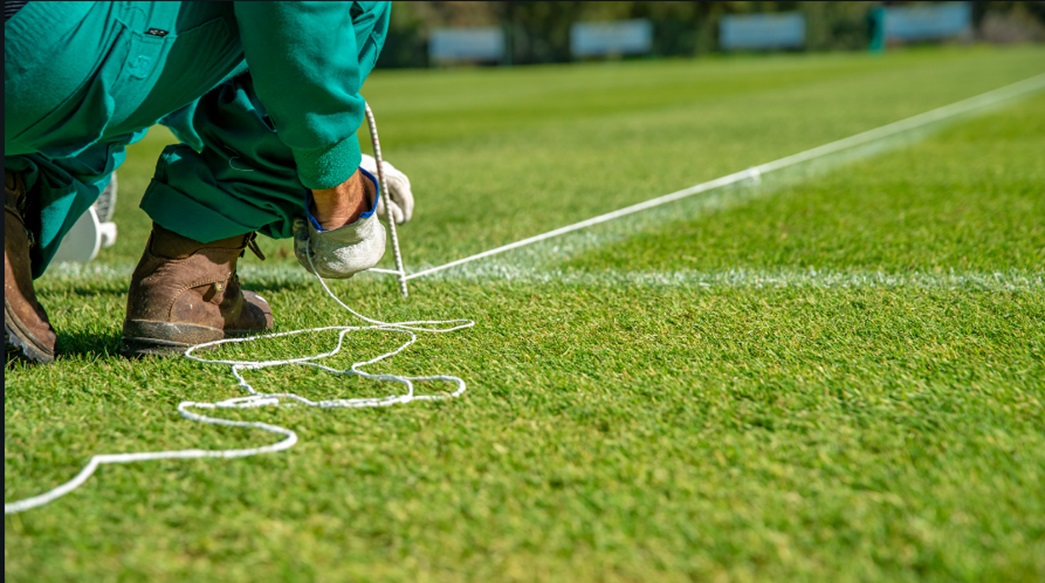
Clear lines and markings are essential for organizing movement, defining boundaries, and directing traffic. Whether marking goal lines on a soccer field or outlining no-entry zones in a construction area, the visual cues provided by paint ensure people know where they should and shouldn’t be.
Poorly marked areas increase the risk of accidents—players may collide, vehicles might veer into unsafe zones, and pedestrians could unknowingly enter restricted spaces. Proper field markings establish structure and help everyone navigate environments safely.
Enhancing Player and Spectator Safety in Sports
On athletic fields, well-defined lines are not just aesthetic—they are a safety necessity. Athletes rely on precise markings for orientation, plays, and spatial awareness. A faint or misaligned line can lead to missteps, collisions, or disputes during games.
High-contrast paint enhances visibility even in low-light or high-activity conditions, helping players maintain situational awareness. For spectators, painted zones help with seating boundaries and emergency egress paths, particularly during crowded events.
Durability Reduces Maintenance-Related Risks
Using durable, weather-resistant field marking paint reduces the frequency of repainting, minimizing maintenance disruptions and hazards. Frequent re-striping due to fading not only increases labor costs but also exposes workers and facility users to unnecessary risks from equipment and restricted access zones.
Long-lasting paint ensures markings stay vibrant and legible through rain, sun, and wear, preserving safety standards over extended periods.
Choosing the Right Paint for the Job
Different applications demand different paint types. For example, natural grass fields require paint that adheres without damaging the surface, while turf or asphalt might benefit from quick-drying or abrasion-resistant options. Selecting the right formula based on surface and usage conditions is essential to achieving safety and visibility goals.
A popular option in high-efficiency environments is aerosol field marking paints which also comes with a lot of benefits, known for their ease of application and precision. These paints are often used with handheld applicators or striping machines, delivering sharp lines with minimal overspray—ideal for quick touch-ups or temporary markings during events or repairs.
Environmental and Health Considerations
Safety also includes choosing paints that are safe for users and the environment. Low-VOC and non-toxic formulations are increasingly preferred, especially in school environments or community fields where frequent exposure may occur. Proper selection ensures that while markings are visible and effective, they also contribute to a healthier environment for all.
Conclusion
Effective and consistent field marking paint is more than just a visual tool—it’s a key safety feature in any organized space. Whether through the long-lasting durability of advanced formulations or the convenience of aerosol field marking paints, selecting the right paint helps protect players, pedestrians, and personnel alike. Prioritizing quality and clarity in your field markings is a simple yet powerful step toward ensuring safer, more organized environments.
About the Author