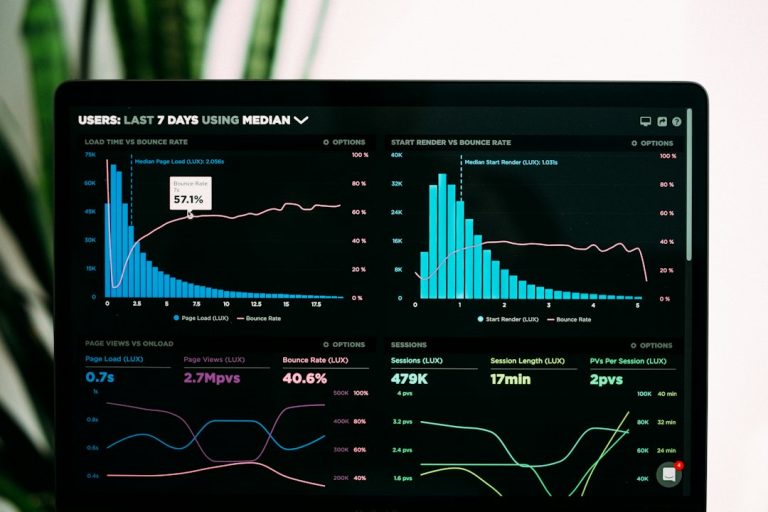
Algorithmic Execution and Order Flow: Understanding Advanced CFD Order Types

In the fast-paced world of Contract for Difference (CFD) trading, speed, precision, and strategy are essential. Traders today have access to a wide range of tools and platforms that allow them to react to market movements with incredible efficiency.
Among these tools, algorithmic execution and advanced order types stand out as vital components for sophisticated trading strategies. Understanding these elements is not only important for professional traders but can also give retail traders a competitive edge in increasingly complex markets.
The Role of Algorithmic Execution in CFD Trading
Algorithmic execution refers to the use of computer programs to automatically execute trades based on preset criteria. This technology has transformed the trading landscape by enabling traders to place orders with speed and accuracy that manual trading simply cannot match. Algorithms can analyse market data in real-time, identify patterns, and execute trades within milliseconds, which is especially crucial in highly volatile markets.
For CFD traders, algorithmic execution offers several advantages. First, it minimises the emotional component of trading. Human decision-making can often be influenced by fear, greed, or impatience, leading to suboptimal outcomes. Algorithms, on the other hand, strictly follow predefined rules, ensuring consistency in trade execution. Second, algorithmic trading allows for more complex strategies that can react to subtle market signals. For example, a trader can program an algorithm to place a series of conditional orders, automatically adjusting stop-losses or take-profit levels based on market conditions.
Algorithmic execution can enhance liquidity management. In markets where price gaps or slippage are common, well-designed algorithms can help achieve better execution prices, reducing trading costs over time. This capability is particularly valuable when trading CFDs on highly liquid instruments such as indices, commodities, and major currency pairs.
Understanding Order Flow and Its Significance
Order flow refers to the stream of buy and sell orders in a market at any given moment. By analysing order flow, traders can gain insight into market sentiment and potential price movements. While price charts and technical indicators provide a historical perspective, order flow offers a forward-looking view by showing where actual buying and selling pressure exists.
For advanced CFD traders, order flow analysis is an essential tool for decision-making. By observing the size, volume, and frequency of orders, traders can anticipate support and resistance levels and identify potential breakouts. For instance, a sudden surge of large buy orders at a key support level may indicate a strong bullish sentiment, while persistent sell orders near resistance could signal an impending downward move.
Order flow is often integrated into algorithmic strategies to improve execution efficiency. Algorithms can be programmed to detect specific order flow patterns and adjust order types accordingly. This integration ensures that trades are placed in a manner that aligns with prevailing market momentum, optimising entry and exit points.
Advanced CFD Order Types and Their Applications
Traditional market and limit orders are often insufficient for traders seeking to fully leverage algorithmic execution and order flow analysis. Advanced CFD order types provide greater flexibility, allowing traders to implement sophisticated strategies with greater precision.
One common advanced order type is the stop-limit order. Unlike a standard stop order that triggers a market execution once a price level is reached, a stop-limit order specifies both a trigger price and a limit price. This dual condition ensures that the trade is executed within a desired price range, reducing the risk of slippage in volatile markets.
Another essential order type is the trailing stop. This dynamic stop-loss moves in tandem with favourable price movements, locking in profits while limiting potential losses. Trailing stops are particularly useful in CFD trading because they allow traders to capture gains in trending markets without needing to constantly monitor positions.
Choosing a Reliable Trading Platform
To fully utilise algorithmic execution, order flow insights, and advanced CFD order types, choosing the right trading platform is critical. A robust platform provides not only fast execution and customizable order types but also real-time data and analytical tools.
For traders based in the UAE or targeting global markets, partnering with a trusted and regulated broker is particularly important. A reliable broker ensures transparent pricing, access to liquidity, and compliance with regulatory standards.
Working with a reputable provider like UAE Broker ADSS can give traders the infrastructure they need to execute complex strategies effectively. With advanced order types and algorithmic capabilities, UAE Broker ADSS provides the necessary tools to capitalise on market opportunities while maintaining disciplined risk management.
Conclusion
Algorithmic execution and order flow analysis represent the forefront of modern CFD trading. By leveraging these tools, traders can enhance speed, precision, and consistency, allowing for more informed decision-making in volatile markets. Advanced CFD order types such as stop-limit, trailing stop, conditional, and bracket orders further empower traders to implement sophisticated strategies with greater control over risk and reward.
Ultimately, mastering these elements requires both technical knowledge and practical experience. By understanding how algorithmic execution interacts with market order flow and utilising advanced order types effectively, traders can optimise their trading performance while minimising emotional bias. Partnering with a reputable and capable broker ensures that the necessary infrastructure, support, and tools are in place to execute these strategies seamlessly.
About the Author