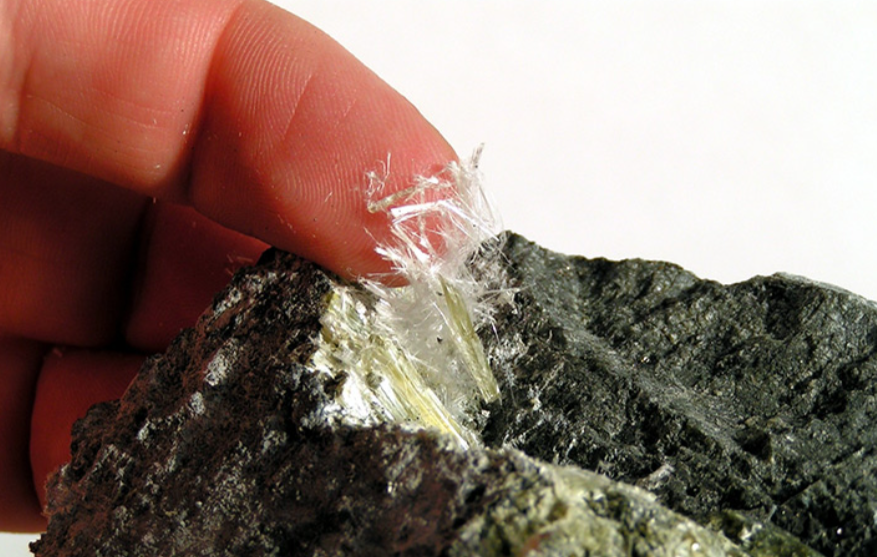
Asbestos is a naturally occurring mineral that was widely used in construction and manufacturing because of its durability, heat resistance, and insulating properties. While it has many practical applications, asbestos testing poses serious health risks when its fibers are released into the air and inhaled. Exposure to these fibers can lead to life-threatening illnesses such as asbestosis, lung cancer, and mesothelioma.
The danger of asbestos lies in its invisibility and persistence. Fibers are tiny, lightweight, and can easily become airborne when asbestos-containing materials are disturbed. Because the effects of exposure often take years or decades to appear, early detection through testing is crucial for preventing long-term health problems.
Why Is Asbestos Testing Important?
Asbestos testing is essential for identifying the presence of harmful fibers in buildings and other materials. A professional test provides accurate information about whether asbestos exists and in what quantity. This is especially important in older homes, offices, or industrial spaces where asbestos might have been used in insulation, flooring, roofing, or ceiling materials.
Testing also allows property owners and occupants to make informed decisions about managing asbestos safely. Without testing, there is a risk of unknowingly disturbing materials and releasing dangerous fibers into the air. A certified asbestos test ensures that risks are identified before they can affect the health of anyone in the space.
How Is Asbestos Testing Conducted?
The testing process begins with a careful inspection of the property to identify areas that may contain asbestos. Certified professionals look for common sources such as old insulation, wall panels, roof shingles, floor tiles, and pipe coverings.
Once potential materials are located, small samples are collected using specialized equipment and safety procedures. The samples are carefully sealed and labeled to prevent contamination. They are then sent to a laboratory where experts analyze them under controlled conditions. The lab identifies whether asbestos fibers are present and provides a detailed report on the type and concentration found.
What Are the Health Risks of Asbestos Exposure?
Inhaling asbestos fibers can cause serious damage to the lungs and other organs. Asbestos-related diseases often develop slowly, with symptoms appearing many years after initial exposure. Common health issues include persistent coughing, shortness of breath, chest pain, and fatigue.
The most severe conditions caused by asbestos exposure are asbestosis, a scarring of lung tissue, and mesothelioma, a rare cancer affecting the lining of the lungs or abdomen. Even brief exposure to high concentrations of fibers can be harmful, making early detection through testing vital.
How Can Asbestos Be Managed Safely?
Once asbestos is detected, proper management is key to preventing health risks. In some cases, materials in good condition may be left in place and sealed to prevent fibers from becoming airborne. Regular inspections ensure that these materials remain stable over time.
If asbestos-containing materials are damaged or likely to be disturbed, professional removal is necessary. Licensed asbestos removal specialists follow strict safety protocols to contain and dispose of fibers safely. Attempting to remove asbestos without training can release dangerous fibers and increase the risk of exposure.
Why Choose Certified Asbestos Testing Over DIY Methods?
While DIY asbestos testing kits are available, they are often unreliable and can pose safety risks. Handling potentially dangerous materials without proper protective equipment increases the chance of inhaling harmful fibers. Certified asbestos testing ensures accurate results while keeping individuals safe during sample collection.
Professional testing also provides official documentation that may be required for property transactions, renovations, or insurance purposes. It gives property owners confidence that any asbestos risks are identified and can be addressed appropriately.
Conclusion
Detecting harmful fibers through asbestos testing is a critical step in protecting health and ensuring safety in homes, workplaces, and public buildings. Early identification of asbestos allows for safe management or removal, preventing long-term health issues. Certified testing offers reliable results, peace of mind, and a clear path for managing asbestos responsibly. Prioritizing asbestos testing is an essential measure for maintaining a safe and healthy environment for everyone.
About the Author