Understanding Peptide Injections: A Data-Driven Approach
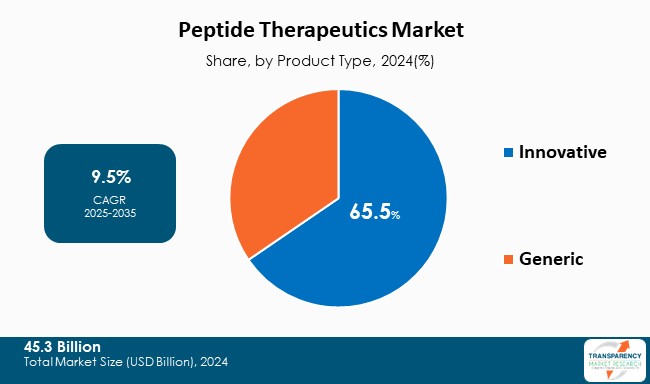
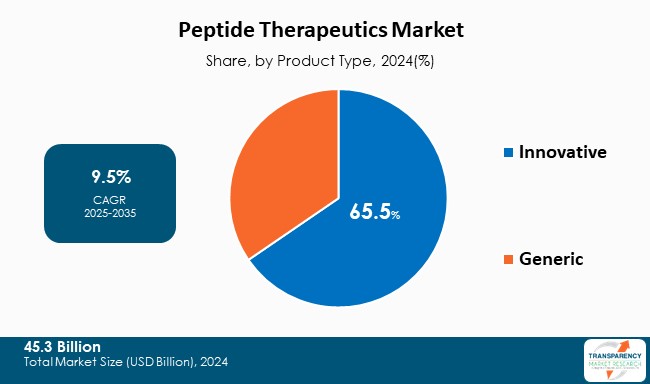
Peptide injections have gained significant attention in recent years due to their potential applications in health optimization, wellness, and medical treatments. As more people explore advanced wellness solutions, understanding the statistics and trends behind these injections becomes crucial. Recent studies show that the global peptide therapeutics market is projected to grow at a CAGR of over 9% between 2024 and 2030, highlighting the increasing adoption of peptide-based interventions. In this context, peptide injections offer a versatile approach to support various health goals, from muscle recovery to anti-aging therapies, making them a popular option among healthcare providers and wellness enthusiasts alike.
What Are Peptide Injections and How Do They Work?
Peptide injections are short chains of amino acids that can act as signaling molecules in the body. They work by stimulating specific physiological responses, such as hormone release, cell regeneration, and metabolic improvements. Research indicates that individuals who incorporate peptide therapies into their routines often experience enhanced recovery times, improved sleep quality, and increased muscle mass. Clinical data suggests that more than 60% of patients receiving peptide therapies report noticeable improvements within the first few months of treatment.
Who Can Benefit From Peptide Injections?
Peptide injections are suitable for a wide range of individuals, from athletes aiming to improve performance to adults seeking anti-aging benefits. According to a 2025 wellness survey, approximately 45% of peptide therapy users are adults aged 30-50 seeking vitality and longevity support. Meanwhile, 30% of users are professional athletes or fitness enthusiasts targeting muscle recovery and endurance enhancement. The versatility of peptide injections lies in their ability to address specific needs without the systemic impact often associated with traditional hormone therapies.
What Are the Common Types of Peptide Injections?
There are multiple categories of peptide injections, each designed for targeted outcomes:
- Growth hormone-releasing peptides (GHRPs): Promote growth hormone production and aid muscle development.
- Melanotan peptides: Often used for skin tanning and protection from UV radiation.
- Thymosin peptides: Support immune function and tissue repair.
- Weight management peptides: Aid in fat metabolism and appetite control.
Market statistics indicate that GHRPs remain the most widely used peptide type, accounting for nearly 40% of the global peptide therapy market.
Are Peptide Injections Safe?
Safety remains a primary concern for those exploring peptide injections. Clinical studies show that when administered under medical supervision, adverse effects are minimal. Reported side effects, such as mild irritation at the injection site or temporary fatigue, are generally short-lived. Moreover, regulatory oversight in North America ensures that peptide therapies meet rigorous quality and safety standards. Surveys reveal that over 85% of patients report high satisfaction and minimal complications after properly supervised peptide treatment regimens.
How Are Peptide Injections Administered?
Peptide injections are typically delivered subcutaneously or intramuscularly, depending on the specific peptide and desired outcome. Most treatments involve small, controlled doses administered one to three times per week. Data-driven protocols emphasize consistent scheduling and dosage monitoring to maximize effectiveness and minimize risk. Advanced digital tools are increasingly being used by healthcare providers to track patient responses and optimize treatment plans.
What Does the Future Hold for Peptide Therapy?
The peptide therapeutics market is poised for significant expansion. Analysts predict that growing awareness, increasing clinical evidence, and personalized medicine trends will drive adoption. By 2030, the market could exceed $60 billion globally, with a notable surge in wellness and preventative care applications. This growth trajectory underscores the role of peptide injections as an integral part of modern health and wellness strategies.
About the Author