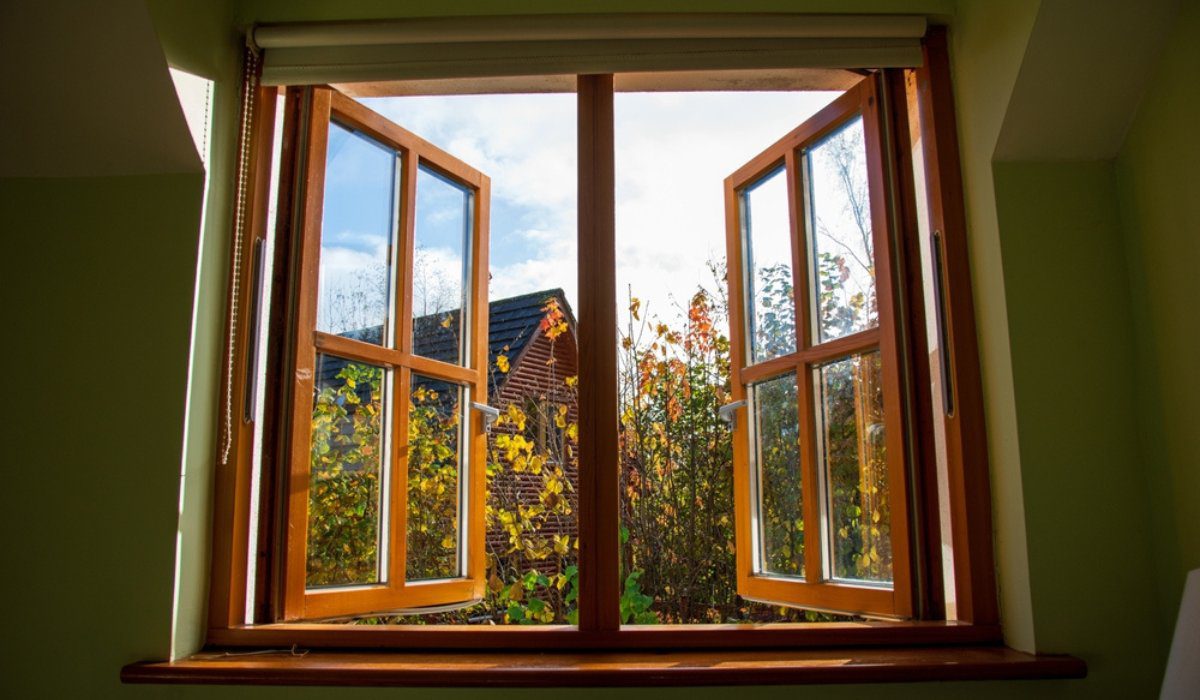
Window sills are often overlooked in interior design, yet they play a crucial role in both the functionality and aesthetic appeal of a space. Serving as the interface between the interior and the exterior, window sills provide structural support for windows, protect walls from water damage, and create a visual transition that enhances the overall design of a room. Choosing the right window sill can transform a simple window into a striking architectural feature.
A well-designed window sill begins with the selection of material. Wood remains a popular choice for its warmth and versatility. It can be finished in various stains or paints to complement the surrounding décor, offering a timeless appeal that works in both traditional and contemporary interiors. For a more modern and durable option, materials like stone, engineered quartz, or composite surfaces provide a sleek finish and resist wear, moisture, and fading over time. Each material has its distinct character, allowing homeowners and designers to match the window sill to the room’s overall theme effortlessly.
Beyond materials, the design of the window sill itself contributes significantly to its function and appearance. A wider sill can serve as a shelf for décor items such as potted plants, books, or decorative accents, adding personality and style to the room. A narrower sill, in contrast, maintains a minimalist and clean look, ideal for contemporary spaces where simplicity is emphasized. Curved edges, intricate moldings, or layered designs can also enhance the visual appeal, making the window sill a subtle yet impactful element of interior design.
Functionality remains a key aspect of window sills. Proper installation ensures that the sill effectively channels rainwater away from the walls, protecting interiors from dampness and structural damage. Additionally, window sills can improve energy efficiency by creating a tighter seal around the window frame, minimizing heat loss in colder months and maintaining a comfortable indoor climate year-round. This practical aspect is especially important in areas with extreme weather conditions, where a well-installed window sill can extend the life of windows and reduce maintenance costs.
Incorporating the right window sill into a room also enhances the overall ambience. Light-colored sills can brighten interiors and reflect natural light, creating an airy and inviting atmosphere. Darker shades, on the other hand, add contrast and depth, complementing richer color palettes and creating a sense of sophistication. The combination of functionality and aesthetics ensures that window sills are not merely structural necessities but integral design elements that elevate the character of a space.
In conclusion, functional and beautiful window sills are essential for any interior, seamlessly combining practicality with style. Thoughtful material choices, precise design, and proper installation contribute to their effectiveness while enhancing the visual appeal of a room. Whether the aim is to create a warm, inviting space or a sleek, modern environment, the right window sill can make a significant difference, turning an ordinary feature into a defining element of interior design.
About the Author